


“If you want to find the secrets of the universe, think in terms of frequency and vibration.” _ Nikola Tesla
Introduction: The Hidden Force We All Hear
We often think of sound as background noise, something we hear, but rarely think about. But what if the sound is more than that? What if it’s not just a sense, but a force that shaped life itself?
Every story has an origin. Ours begins with a sound and a question: what if the secret to life lies in sound?
Before language, before music, even before ears, sound existed. Vibrations filled the world long before we ever had the tools to hear them. In this post, we will take a step back in time, to the origin of sound, and follow its path to the moment life first began to listen.
Before Ears: The Birth of Sound in Nature

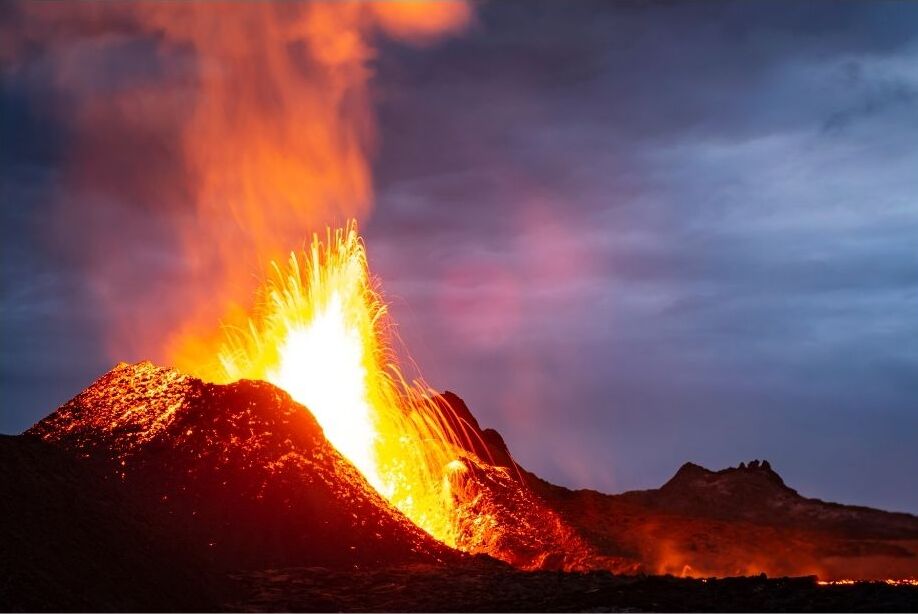
Long before life developed ears, the world was full of sound.
Imagine the earth millions of years ago, silent to our imagination, but filled with the sounds of nature in motion.
A volcano explodes. Thunder rolls across the sky. A meteor slashes through the atmosphere. Each of these events creates vibrations that ripple through air, water, and stone.
That’s sound in its rawest form: movement, energy, pressure. It exists whether we hear it or not.
Now imagine a cave. A drop of water falls. It echoes off the walls.
To us, it’s a soft drip. But in early life, this echo could one day mean:
“There’s space here” (like sensing an open tunnel or cavern for shelter);
“Something’s near” (like a predator creeping in the dark);
“Something’s coming” (like the distant rumble of a falling rock or even a modern-day missile or meteor being tracked by radar systems through sound and vibration).
Even in a world without listeners, sound told stories.
The Earth spoke in its own language: the crash of waves, the crack of ice, the rustle of trees. Slowly, life began to notice.
The Arrival of Ears: Hearing as Evolution’s Gift

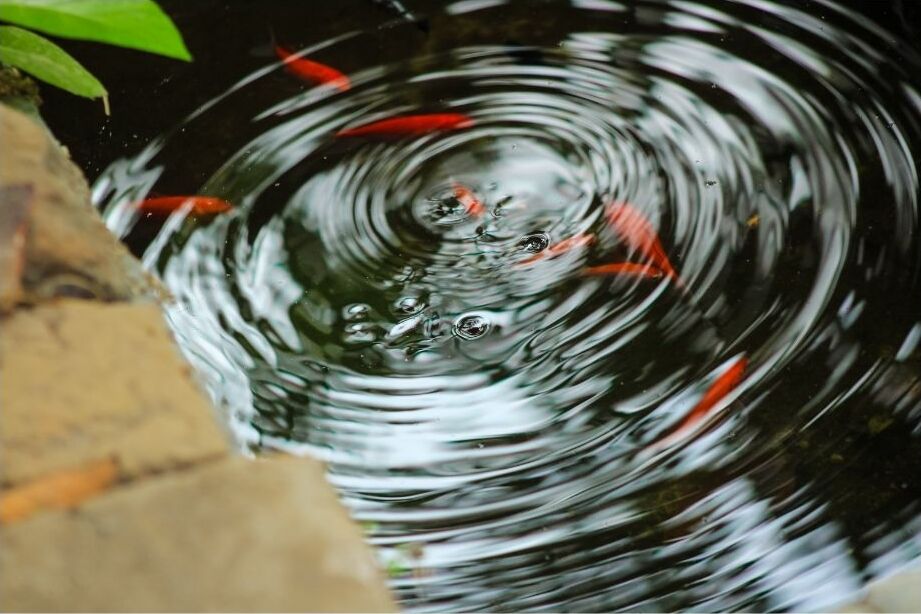
Some of the first life forms didn’t have ears, but they felt vibrations.
A ripple in the water might mean food or danger. Over time, nature adapted. Some creatures developed tiny hair-like cells that responded to movement. These cells evolved into what we now refer to as hearing organs.
For fish, insects, birds, and mammals, hearing became a survival tool.
But in humans, it became something more: a way to connect, to speak, to share music and meaning.
The Brain and Sound: Turning Vibration into Meaning
Sound doesn’t stop at the ears, it travels to the brain.
There, the vibration becomes something richer: a voice, a melody, a memory.
Our brains don’t just hear, they interpret. A baby crying isn’t just a sound, it’s a call. A favorite song isn’t just music, it’s emotion.
This transformation is where sound becomes human.
And here’s the secret: sound doesn’t just touch the ear, it touches the heart, the memory, and even the body. Some vibrations calm us. Others alert us. Some help us sleep. Others make us move.
Sound as a Code of Life


Our lives are full of rhythm and sound, even when we are silent.
Your heartbeat, your breath the ticking of time, the rise and fall of your voice. Sound connects us, to ourselves, to each other, to the world.
Long before we could write, we told stories with sound.
Before science, we used drums, chants, and whispers to make sense of the unseen. Even today, sound remains a language deeper than words, carried in songs, prayers, laughter, and silence.
Conclusion: Learning to Listen Consciously
Sound has always been here: shaping, signaling, connecting.
It existed before life and became part of life. It evolved into music, language, love, and memory.
So maybe the secret isn’t just to hear, but to listen, deeply.
To recognize that sound isn’t just noise, it’s a force that moves through us all.
In the next post, we’ll explore how humans began to shape sound from simple tools to the first hearing devices. Stay tuned for:
“Echoes of Invention: The First Tools … »
Recap for Readers
- Sound is vibration, energy, and movement, it existed long before humans.
- Life evolved to sense, then to hear.
- The brain gives the sound its meaning: emotion, memory, connection.
- Sound may be one of the oldest forces shaping life on Earth.